August 7, 2026 · 6 min read
Emax vs Feldspathic Veneers: What’s the Difference?
When considering porcelain veneers, two materials commonly used in cosmetic dentistry are Emax veneers and feldspathic veneers. Both can create highly natural smiles, but they suit different clinical situations.
When considering porcelain veneers, two materials commonly used in cosmetic dentistry are Emax veneers and feldspathic veneers. Both can create highly natural and beautiful smiles, but they have different properties and may be suited to different clinical situations.
What Are Emax Veneers?
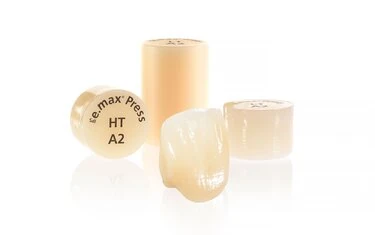
Emax veneers are made from lithium disilicate, a strong dental ceramic that combines excellent esthetics with good mechanical strength.
Because of their strength, Emax veneers can be a good choice when slightly more support is needed or when the treatment involves more extensive changes to the shape, position, or color of the teeth.
Main advantages of Emax veneers
- Excellent strength and durability.
- Natural translucency and appearance.
- Good color stability.
- Suitable for veneers as well as other ceramic restorations.
- Can provide predictable esthetic results when properly planned and bonded.
What Are Feldspathic Veneers?
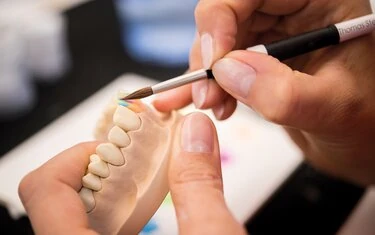
Feldspathic porcelain veneers are made by layering very thin layers of porcelain to reproduce the optical characteristics of natural enamel.
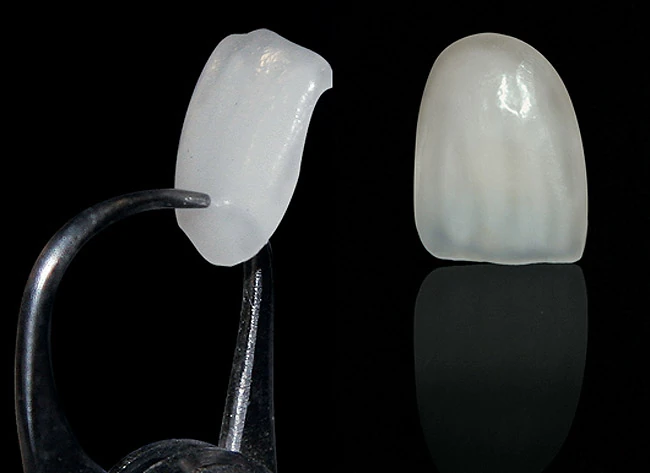
One of their greatest advantages is the ability to create extremely delicate variations in translucency, color, texture, and characterization. In carefully selected cases, feldspathic veneers can also be made extremely thin, allowing a very conservative approach to tooth preparation.
Main advantages of feldspathic veneers
- Exceptional natural-looking esthetics.
- Excellent translucency and enamel-like appearance.
- Highly customizable color and surface characterization.
- Can be extremely thin.
- Particularly useful for conservative esthetic cases.
Emax or Feldspathic Veneers: Which Is Better?
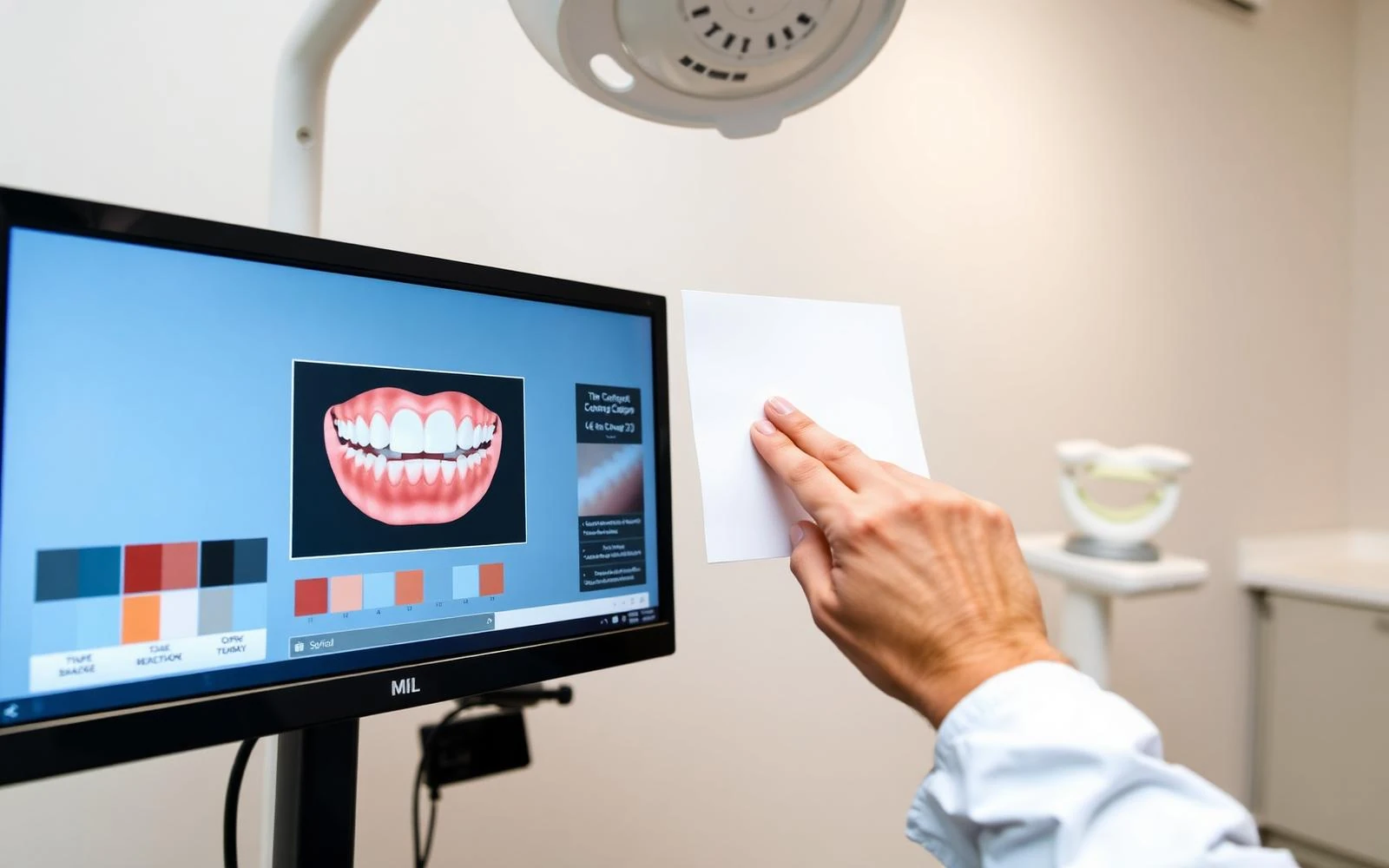
There is no single material that is better for every patient.
Emax generally provides greater strength, while feldspathic porcelain offers exceptional esthetic layering and can be particularly useful when maximum preservation of natural enamel is possible.
The best choice depends on factors such as the condition and color of the existing teeth, remaining enamel, bite, tooth position, amount of correction required, and the desired esthetic result.
Ultimately, successful veneers depend on much more than the ceramic itself. Proper diagnosis, conservative tooth preparation, bonding to enamel, ceramic design, and communication with an experienced dental laboratory are all essential for achieving a natural and long-lasting result.
Porcelain Veneers in Riyadh

For patients considering porcelain veneers in Riyadh, a clinical evaluation can help determine whether Emax, feldspathic porcelain, or another restorative approach is most appropriate for their smile.
Editorial disclaimer
This article is general educational information and not personal dental advice. Diagnosis, candidacy and treatment recommendations require a direct examination by a qualified dentist, with appropriate imaging and a medical history review.